

SINGAPORE – Two new cases of the Zika virus have been confirmed in Singapore, specifically within the Woodlands Street 11 and Street 32 areas, as of June 19. The National Environment Agency (NEA) has reported persistent Zika virus signals in the vicinity, indicating a likely area of active transmission. Evidence of the virus has been found in wastewater or mosquito samples collected near the reported cases.
This confirmation comes despite the NEA website showing no official Zika clusters in Singapore as of June 18. The new cases bring Singapore’s total laboratory-confirmed Zika cases for 2025 to seven as of June 12, following 13 recorded cases in 2024.
Understanding the Zika Virus: A Global Health Concern
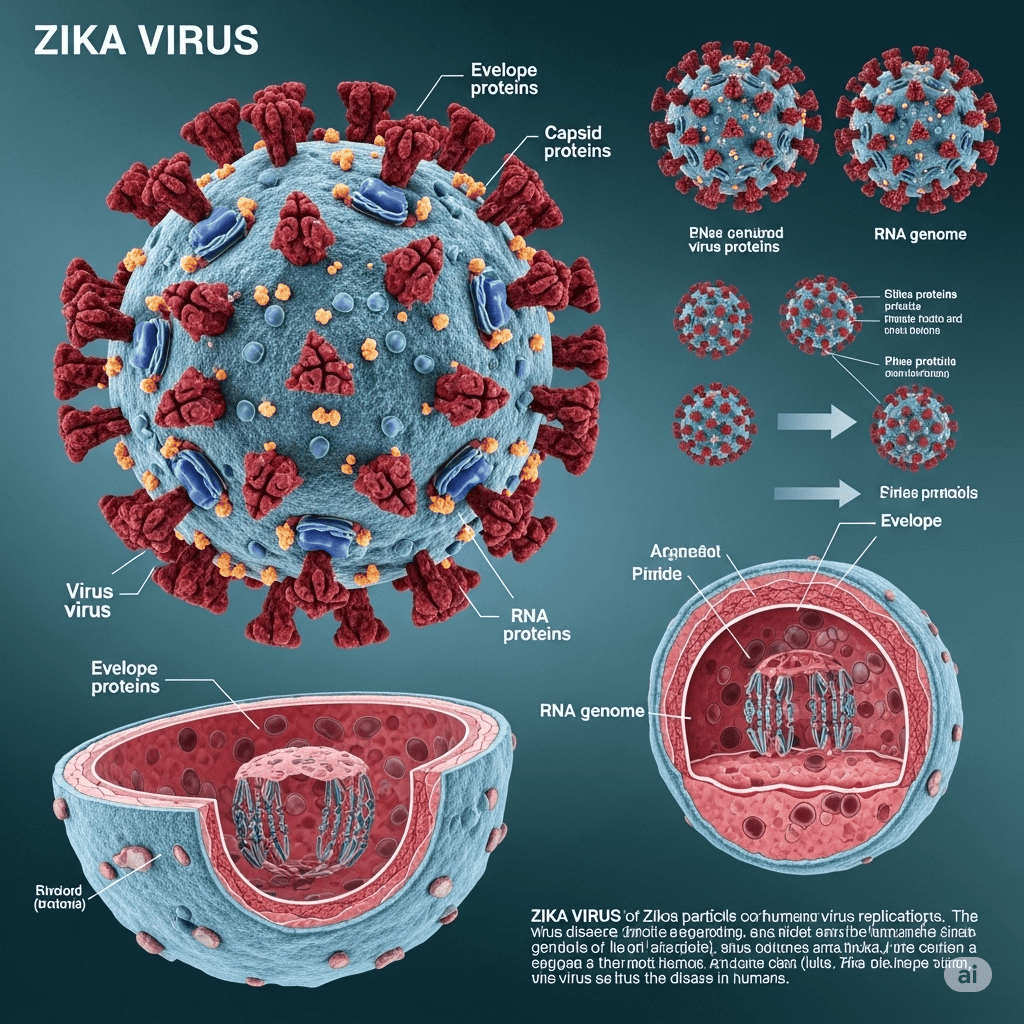
Zika is a viral infection primarily transmitted through the bite of an infected Aedes species mosquito, the same vector responsible for dengue and chikungunya. Beyond mosquito bites, the virus can also spread through sexual contact, blood transfusions, and from a pregnant mother to her unborn child.
Symptoms and Diagnosis: Only about one in five people infected with Zika develop symptoms. The most common signs include fever, rash, headache, joint and muscle pain, and red eyes. Symptoms typically appear within three to 12 days after a mosquito bite and usually last four to seven days. Nausea and vomiting may also occur. Due to similar symptoms, Zika and dengue are differentiated via virological tests.
The NEA advises individuals who suspect they have contracted Zika to seek prompt medical attention. Diagnosis is commonly made through a reverse transcriptase-polymerase chain reaction (RT-PCR) test using blood or urine samples. The virus can be detected in blood within five to seven days of symptom onset, and in urine within 14 days.
Heightened Risk for Pregnant Women: Unborn babies face the greatest risk if their mothers contract the Zika virus during pregnancy. Approximately 1% to 10% of women infected during pregnancy give birth to babies with congenital defects. The most well-known defect is microcephaly, where the baby is born with a significantly smaller head and often an underdeveloped brain. Other potential birth defects include swallowing difficulties, hearing loss, vision problems, and seizures. While not all affected babies exhibit every condition, some may develop long-term health issues later in life.
The risk of Zika-associated birth defects is higher when infection occurs during the first and second trimesters of pregnancy. There is currently no evidence suggesting pregnant women are more susceptible to contracting the virus, but the consequences of infection are more severe for them and their unborn children.
Prevention and Treatment: Currently, there is no known cure for the Zika virus, but symptoms can be managed. Prevention strategies focus on avoiding mosquito bites and eliminating breeding grounds:
- Use mosquito repellent and wear protective clothing that covers the body, arms, and legs.
- Eliminate stagnant water around homes and in potted plants to prevent mosquito breeding.
- Consider sleeping under mosquito nets or in rooms equipped with wire-mesh screens.
Zika’s History: First identified in monkeys in Uganda in 1947, the first notable human outbreak was recorded in 1952, according to the World Health Organization (WHO). In 2016, the WHO declared Zika a public health emergency. Singapore’s first imported case was in May 2016, followed by its first local cluster in Aljunied in August 2016, which saw 298 cases before being contained within four weeks. The NEA currently deploys approximately 72,000 gravitraps across Singapore as part of its ongoing surveillance efforts.
Guidance for Pregnant Women in Affected Areas: Pregnant women who have recently visited, work, or live in a Zika-affected area in Singapore should take strict precautions against mosquito bites. If they develop symptoms consistent with a possible Zika infection, immediate medical attention and consultation with an obstetrics and gynecology doctor are advised. For those testing positive or inconclusive for Zika, referral to a maternal-fetal medicine specialist for counseling, close monitoring, and regular fetal ultrasounds, possibly including amniotic fluid testing, will follow.
Singapore Confirms New Zika Cases in Woodlands, Heightening Surveillance