

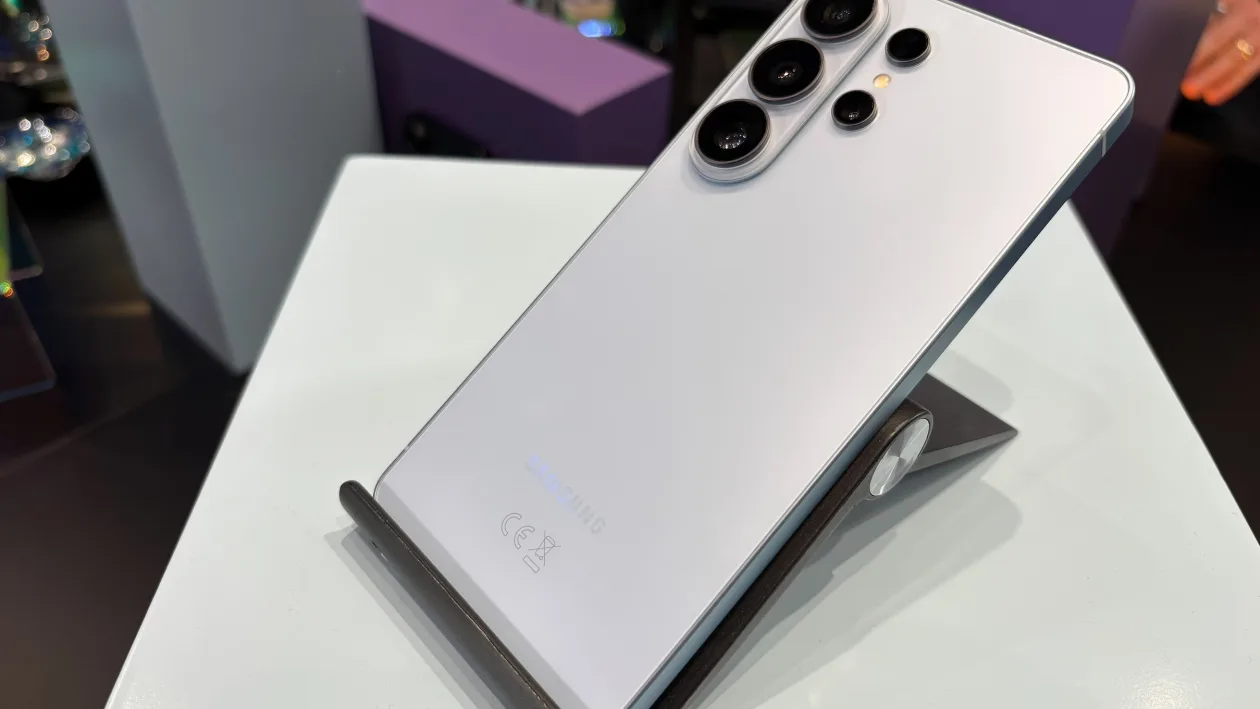
Faktain News – Samsung Electronics officially launched its newest lineup of flagship smartphones this Wednesday. Two of the models will cost $100 more than their earlier versions. This price adjustment occurs as the technology industry endeavors to bounce back from a worldwide scarcity of memory chips.
Samsung promotes enhanced artificial intelligence capabilities and an innovative privacy display within its fresh offerings. These advancements emerge amid pervasive memory chip shortfalls across the industry, largely spurred by the swift expansion of AI infrastructure.
Counterpoint Research noted in December that the average selling price of smartphones in 2026 was projected to climb by 6.9 percent. This rise is a direct consequence of the ongoing memory crunch.
The top-tier S26 Ultra maintains its initial cost, mirroring last year’s S25 series. However, both the S26 and S26+ experienced a $100 increase over their S25 forebears. Current pricing stands as follows
- Galaxy S26: $899
- Galaxy S26+: $1,099
- Galaxy S26 Ultra: $1,299
Ben Wood, chief analyst at CSS Insight, informed CNBC that the chip shortage represents “not a short-term issue.”
He further elaborated, “We expect the global shortage of memory chips to persist well into 2027, primarily driven by the rapid expansion of AI infrastructure, which is diverting supply away from smartphones, PCs, and other consumer electronics.”
Next Generation Features
The S26 series marks Samsung’s third iteration of “AI phones,” following the S24 release two years prior. The company asserts that the new models incorporate processing chips superior in speed to those found in previous generations. Samsung added that these devices utilize AI tools to assist with tasks such as photo editing and document scanning.
Wood acknowledged that Samsung’s S26 series takes some “positive steps forward” in making AI features more user-friendly for consumers. Yet, he added, “I fear that consumers will still question how much value it really offers at this juncture.”
Wood also highlighted the “stand-out feature” on the S26 Ultra as its privacy display. This technology precisely controls how pixels disperse light, effectively limiting what individuals viewing from side angles can perceive. Samsung proclaims this feature as a global first.
The Memory Crunch Continues
According to CSS Insight research, memory prices within segments like smartphones have doubled over the past two quarters, Wood stated.
Despite memory manufacturers investing in increased capacity, the chip shortage is anticipated to persist until 2027 or even early 2028, he further explained.
A Samsung spokesperson conveyed to CNBC that “Rising memory semiconductor prices are a global issue and impacts the global broader industry.”
They also added, “Samsung expects to be relatively well-positioned on the supply side through strategic partnerships and will continue efforts to minimize the impact on its business by responding flexibly to market changes.”
Paolo Pescatore, a TMT analyst at PP Foresight, revealed to CNBC that smartphone makers are actively exploring methods to alleviate the memory shortage risk by diversifying their suppliers. The memory crunch is no longer merely a “niche supply-chain talking point,” he emphasized. Instead, it has become a “strategic constraint on the AI roadmap.”
Pescatore further cautioned that “If memory costs stay elevated, Samsung faces a familiar squeeze. Protect margins or protect volumes.”

Price Hike Alert! Samsung’s New S26 Series Faces Global Chip Crunch While Pushing AI Limits